
Preparing Your West Palm Beach Home for a Solar Installation
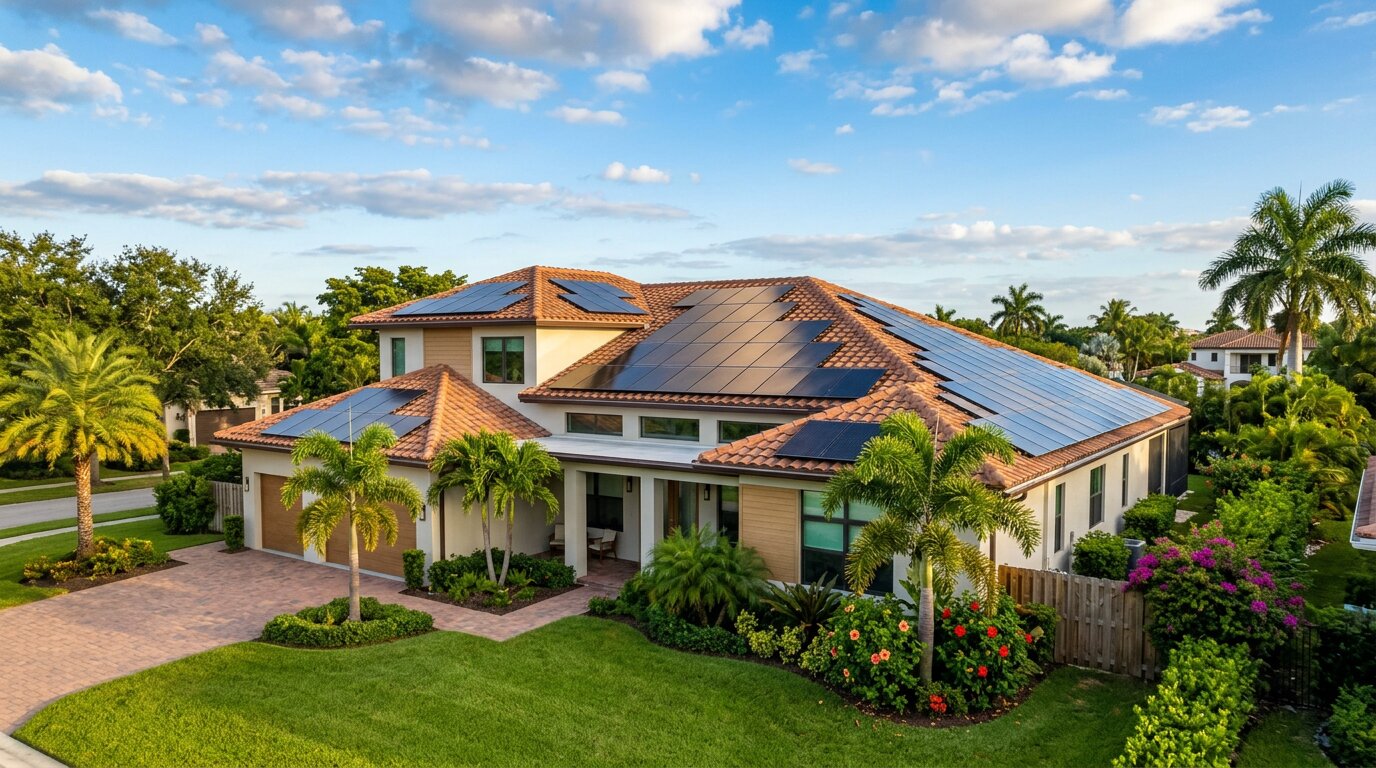
When you're planning to install solar panels on your West Palm Beach home, you need to pay attention to several critical steps before any equipment arrives. It’s not just about choosing panels—you’ll need to assess your roof's condition, factor in household energy needs, and navigate local rules. Skipping any of these could lead to costly surprises or delays. But with the right preparation, you can set your home up to maximize savings and energy efficiency. Here’s where your checklist begins.
Assessing Roof Condition and Structural Integrity
Before proceeding with a solar installation, it is necessary to evaluate your roof's condition and structural integrity. Begin by assessing visible damage and signs of aging. A robust roof structure is critical, as it must support the solar panel system and ensure optimal performance.
In locations such as West Palm Beach, where sun exposure is significant, the efficiency of solar panels can be heavily influenced by the roof's condition. For more information on optimizing your solar setup, you can visit solarpanelswestpalmbeach.com.
Engaging a qualified installer or professional for a comprehensive inspection is advisable, as their expertise can identify potential issues that may not be immediately visible. During this process, it is also important to request a quote and review pertinent regulations to ensure compliance with local utility standards.
This is not only vital for the installation process but also enables you to explore financing options and federal tax credits associated with solar energy.
Additionally, maintaining a solid roof can increase your property value, making this assessment a crucial step in the overall planning and execution of a solar energy project.
Evaluating Household Energy Consumption
Evaluating your household's energy consumption is crucial for the effective design of a solar energy system. To gain a clear understanding of your electricity use, begin by reviewing your previous utility bills to determine average consumption levels typical for homes in West Palm Beach.
Key factors such as household size, exposure to sunlight, and the types of appliances you use should be considered, as they play a significant role in the overall energy consumption profile and the performance of the solar system.
This analysis assists in the system design process, ensuring that the solar installation aligns with your specific energy requirements. Utilizing online energy calculators can provide preliminary estimates of potential energy savings and help ensure compliance with relevant utility regulations.
Additionally, obtaining a quote from a local professional can furnish you with tailored recommendations.
Accurate assessment of your energy use and understanding the requirements of your solar system will also inform your financing options and eligibility for available tax credits. This preparation is essential for making informed decisions regarding the transition to solar energy.
Reviewing Local Regulations and Permitting Requirements
When planning a solar installation in West Palm Beach, it is essential to navigate the local regulations and permitting requirements thoroughly. Initially, it is necessary to request a quote and review the Solar System Design to ensure compliance with Palm Beach County regulations.
The process includes securing the requisite permits from the local municipality, considering any homeowners association (HOA) restrictions, and evaluating the structural integrity of the roof, all of which are critical factors influencing the system's activation and overall performance.
Florida's building codes mandate careful attention to detail throughout this process. Preparing your home for installation and reviewing historical utility bills can provide insights into your energy consumption, which can help tailor your solar system to meet local energy needs effectively.
Engaging a professional installer can facilitate the permitting process, ensuring adherence to all regulations and optimizing the installation for available incentives, such as federal tax credits. This structured approach not only helps streamline the installation process but also enhances the likelihood of a successful and efficient solar power system.
Selecting a Qualified Solar Installer
Selecting a qualified solar installer for your home in West Palm Beach necessitates a careful evaluation of several important factors, including experience, credentials, and reputation. It is advisable to select an installer with a demonstrated history of successful projects in Florida, as local regulations, solar exposure, and weather conditions significantly influence system performance.
To begin, request references from previous clients and review documented utility savings achieved by past installations. Certifications, such as those from the North American Board of Certified Energy Practitioners (NABCEP), can also serve as a reliable indicator of an installer's qualifications.
Assessing the condition of your roof is critical prior to installation, as the structure must adequately support the solar panels. Additionally, potential homeowners should compare financing options and warranties provided by different installers, ensuring that the proposed solar system aligns with both long-term energy objectives and property value considerations.
Finally, attention to detail throughout the system design and activation process is essential. This diligence helps guarantee compliance with utility billing standards, eligibility for federal tax credits, and adherence to defined terms of service.
By conducting thorough research and evaluation, homeowners can make informed decisions that will contribute to an effective and sustainable solar energy system.
Understanding the Benefits and Costs of Solar Installation
Homeowners in West Palm Beach considering the installation of solar energy systems may find a range of financial and environmental benefits. It is important to evaluate the condition of the roof, considering factors such as sun exposure and structural integrity, as these will influence system performance.
Engaging a qualified installer is essential; obtaining quotes will help in comparing options. Additionally, prospective buyers should familiarize themselves with local regulations to ensure compliance with relevant laws. In Florida, there are various incentives available that can significantly reduce upfront costs, such as the 26% federal tax credit and potential state-level rebates.
The financial impact of solar energy can also be assessed by reviewing past utility bills, which can provide insight into potential savings over time. Furthermore, solar installations may contribute to an increase in property value, making it a noteworthy consideration for property owners.
Each phase of the installation process, from system design through to activation, necessitates careful planning and adherence to details to ensure optimal alignment and performance.
Conclusion
As you prepare your West Palm Beach home for solar installation, stay proactive about each step—from assessing your roof’s condition to understanding local rules and choosing a reputable installer. Take the time to weigh costs, available incentives, and potential savings. By organizing documents, maintaining your system, and keeping up with inspections, you’ll get the most from your investment. With careful planning, you’re set to enjoy the long-term benefits of clean, reliable solar energy.